PGSCC curricula is developed for leaders and workers at organizations with a social mission. It combines training in research-based best organizational development, business and schooling practices with integrated, practical and values-driven training, on job skills, social, governance (ESG), and, ethical practices, along measurable social impact strategies. Client needs and plans are assessed and developed with each new contract.
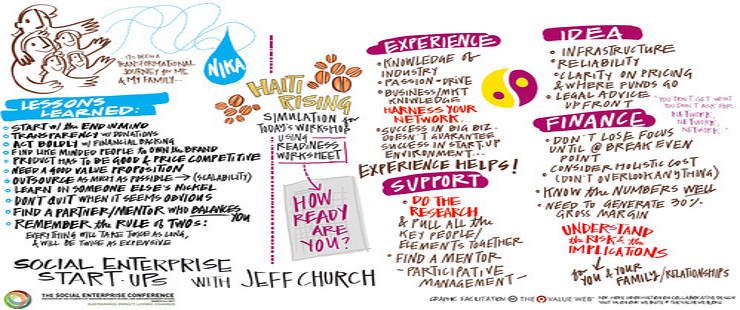
• Social Enterprise/Business Development: Finance (i.e. pricing, revenue enhancement, and fiscal management) marketing, business plan development, leadership, impact measurement, digital marketing, building networks and partnerships as part of a strategy to scale.
• School Improvement: Systemic Reform planning and implementation support, teacher professional development, executive coaching, and parent and stakeholder engagement, utilizing the Professional Development Schools model to raise teacher performance and student achievement outcomes.
• Start Up Business and Nonprofit Strategic Planning and Annual Reporting
• Drive Transformation and Build Cultures of Success
• Growing Revenue, Reducing Costs and Managing Finance
• Grants Writing, Management and Administration
• Elevating Customer Service
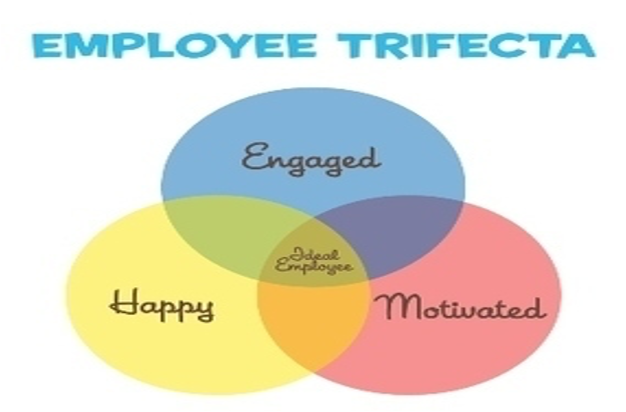
• Enhancing Employee Performance and Outcomes
• Technology Planning and Infrastructure Development
• Stakeholder Engagement, Strategic Partnering and Fund Development
• Program Evaluation
The social mission should not be a standalone topic but woven into all aspects of business operations and education.
• Mission Alignment: Links daily tasks and business functions (e.g., marketing, supply chain, finance) to the company’s overarching social mission and values.
• Values-Driven Leadership: This training emphasizes accountability to a wider range of interests (beyond just financial returns), such as community, employees, and the environment.
Hands-on experience and real-world application are crucial for embedding the social mission into practice.
• Case Studies: Utilizing real-world case studies of successful and challenging social impact programs and businesses helps leaders and employees learn from practical examples.
• Service-Learning and Volunteering: Integrating meaningful community service and employee volunteer programs designed and implemented by staff, allows staff to apply their skills to societal causes, fostering a deeper connection to an organization’s mission, thus contributing to balanced workplaces, businesses or schools where workers can find even greater purpose during their workday.
• Project-Based Learning: PCSCC’s curricula incorporates projects that challenge employees to reframe problems as opportunities for better job performance related to organizational mission and positive social change, such as developing a value proposition for a social venture or improving access to quality service within one’s department.
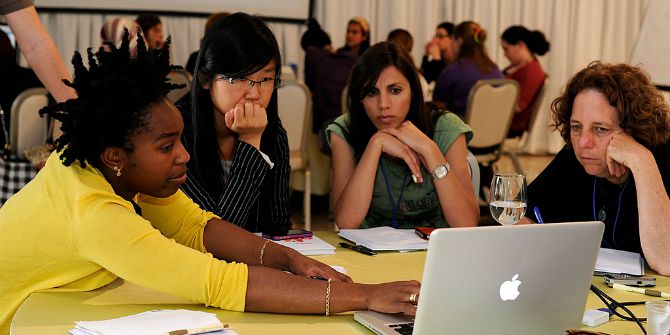
Training would cover specific areas relevant to achieving organizational or department goals/mission, job skills, and social impact:
• Sustainability and ESG: For example: Workshops on environmental preservation efforts, ethical labor practices, waste reduction, energy efficiency, and formal reporting standards like the Global Reporting Initiative (GRI) are essential.
• Ethical Decision-Making: Training on ethical business practices and anti-corruption helps build a culture of integrity and responsible conduct.
• Impact Measurement: Education on how to define, measure, and communicate the measurable impact of social initiatives provides a results-oriented approach to mission fulfillment.
• Diversity and Inclusion (DEI): Comprehensive training fosters an inclusive environment that brings together diverse perspectives, which is vital for social equity and innovation.

PGSCC promotes a continuous process of learning, evaluation, and improvement.
• Blended Learning: Using a mix of online courses, workshops, mentoring, and on-the-job training catering to diverse learning styles and ensuring continuous access to information.
• Feedback Loops: We believe in formative measures and processes leading to continuous improvement. We regularly solicit employee feedback to evaluate program effectiveness in real time, and to allow for continuous refinement. This ensures that training is relevant to employees’ needs and the organization’s evolving mission.
• Leadership Support: Strong support from organizational leaders is vital for allocating resources and ensuring engagement, and ensuring the mission is championed by leaders.
By advancing an integrated and practical curriculum, social enterprises can effectively align employee actions with their job duties, and the organization’s social mission, driving both social good and organizational success.